November 9, 2026
Hot Dog Recipes for Game Day Parties
By @edgarsxoq296


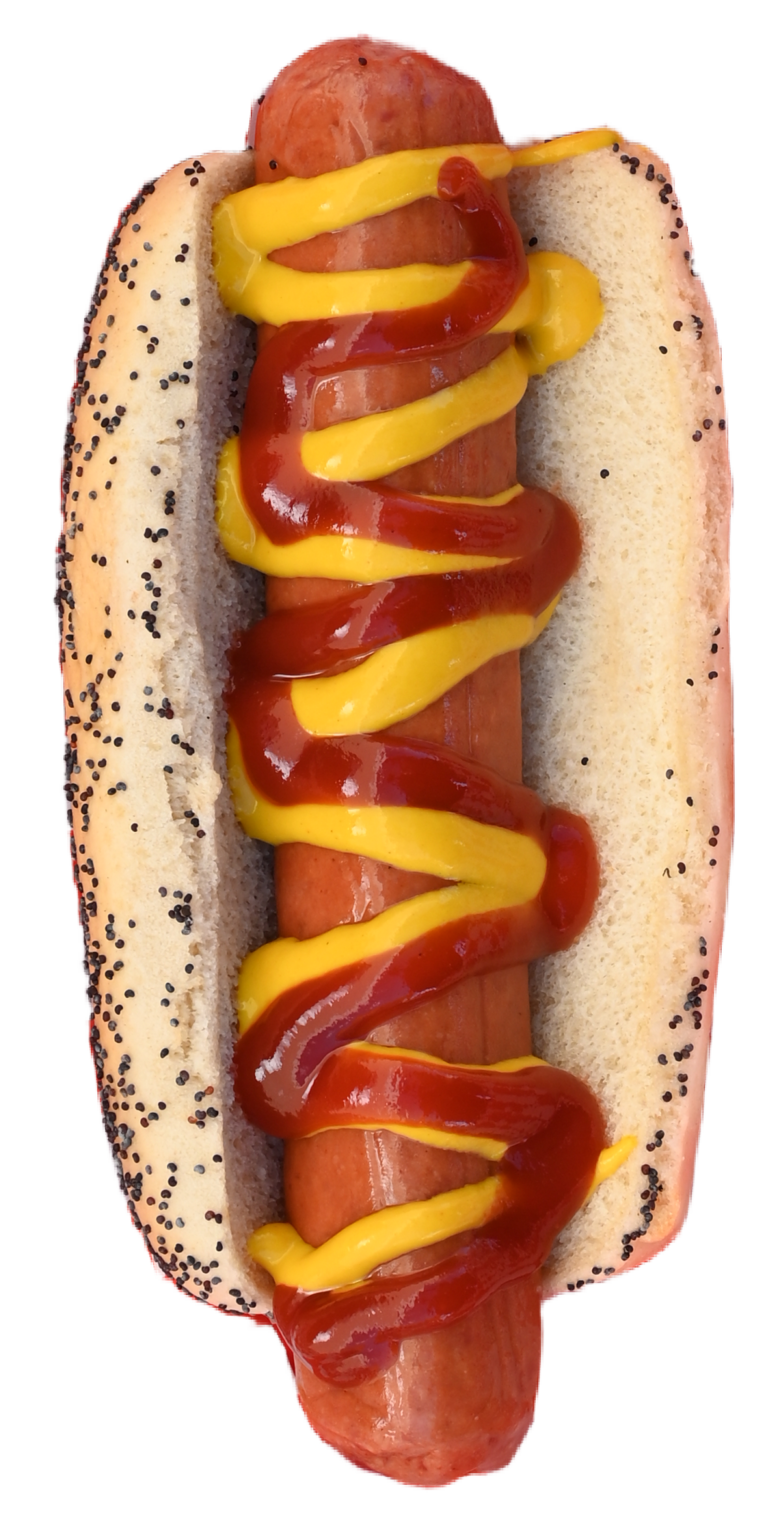
Game day food has one job: keep people happy without pulling the host away from the action. That is exactly where the hot dog earns its place. It is fast, familiar, easy to scale, and surprisingly flexible if you treat it like more than a backup plan. A good hot dog spread can feed a mixed crowd, handle different budgets, and work whether you are cooking for six friends in a living room or thirty people moving in and out of the kitchen during halftime.
I have cooked for enough watch parties to know that the difference between forgettable and excellent is rarely the sausage itself. It usually comes down to heat management, bun choice, toppings that make sense, and recipes built for the way people actually eat during a game. Guests are not sitting down for a plated dinner. They are balancing a drink, talking over replays, reaching back for seconds, and often serving themselves. The best game day hot dog recipes account for all of that.
A smart menu also does something else. It gives people variety without creating chaos for the host. You do not need ten kinds of meat, a dozen sauces, and a sink full of prep bowls. You need a few strong combinations, a setup that stays warm, and enough contrast that each hot dog feels distinct. Rich and smoky, bright and tangy, spicy and crunchy, maybe one indulgent option that everyone talks about afterward. That is how a simple hot dog becomes party food people remember.
What makes a hot dog work at a party
A hot dog succeeds on game day because it solves problems. It cooks quickly, holds well for a short stretch, and can be customized without asking guests to commit to a full plate of one thing. It also scales in a way burgers often do not. Burgers demand constant shaping, careful cooking, and a narrower window between juicy and overdone. A hot dog is more forgiving.
Still, there are trade-offs. A cheap hot dog with a bland bun and cold toppings tastes exactly like a cheap shortcut. If you are serving adults who enjoy food, that matters. I tend to look for all-beef dogs with a good snap, or a quality pork-beef blend if the crowd likes a richer flavor. Bun size matters just as much. If the dog dwarfs the bun, toppings slide off. If the bun is too large and fluffy, the whole thing eats like bread. Standard soft split-top or top-sliced buns are usually the safest call for a gathering.
Cooking method changes the result more than some hosts expect. Grilling brings smoke and char, which is ideal if weather and space cooperate. Griddling gives a beautiful even browning and works especially well indoors. Simmering is underrated for volume because it keeps dogs juicy and buys you time, though it will not deliver the same exterior texture. For a party, I often combine methods: simmer first to cook through and hold, then finish on a hot grill or skillet right before serving.
Build the menu around distinct styles
When I plan a game day spread, I do not try to represent every regional hot dog tradition on one table. That approach sounds fun, but it often turns into too many toppings fighting for refrigerator space. Instead, I choose three or four hot dog styles with clearly different personalities. Guests feel they have options, and the host stays sane.
One hot dog should be classic and familiar, the one even the picky eaters will grab without hesitation. One should lean smoky and hearty, something that feels substantial enough to replace a full meal. One should bring heat or acid for contrast. If your group enjoys a little novelty, add one that feels indulgent and over the top. That range gives the party rhythm.
The classic stadium-style hot dog
There is a reason the simplest version still works. A well-browned hot dog in a warm bun, topped with yellow mustard, chopped onion, and a stripe of relish, delivers exactly what people expect from game day food. It is quick, balanced, and easy to eat with one hand.
The trick is restraint. Too much relish floods the bun. Raw onion needs to be chopped fine, not hacked into large chunks that tumble out on the first bite. Mustard should be applied after the dog is in the bun, not under it, where it soaks into the bread. If you want to sharpen the flavor without complicating the setup, use a pinch of celery salt. That one detail gives a standard hot dog the bright, savory edge people associate with ballpark flavor.
For twelve guests, I usually prep one medium onion, one jar of relish, and two squeeze bottles of mustard. That sounds basic, and it is, but if your party includes children or conservative eaters, this hot dog will disappear first. Every time.
Chili cheese dogs that hold up under pressure
A chili cheese hot dog is the most obvious party move, but it is also the easiest one to get wrong. Thin, soupy chili turns the bun to paste. Shredded cheese straight from the fridge does not melt. Oversized buns collapse. To make this recipe work for a crowd, the chili has to be thick enough to sit on the dog rather than run through it.
I make chili for hot dogs differently than chili for bowls. I use less liquid, break the meat very fine, and keep the seasoning assertive. Tomato paste helps create body without making the topping too sweet. A little cumin and smoked paprika deepen the flavor, but too much can push it into stew territory. You want a topping, not a ladled entree.
Once the chili is made, hold it warm in a small slow cooker. That frees the stove and makes self-service easy. Grate cheddar or a cheddar-monterey jack blend ahead of time, but take it out of the refrigerator about twenty minutes before serving. Cheese that starts closer to room temperature melts faster on a hot dog.
The bun matters here more than anywhere else. A soft but sturdy bun works best, and lightly toasting the inside gives you a little insurance against sogginess. Some hosts skip that step to save time, but it is worth it if chili dogs are a headline item.
Bacon-jalapeño barbecue hot dogs for a richer crowd-pleaser
Some game day foods are built for immediate applause. This is one of them. Start with a grilled hot dog, add a spoonful of barbecue sauce, crisp bacon pieces, sliced pickled jalapeños, and a little sharp cheddar. The flavor is smoky, salty, sweet, and bright enough to keep the richness in check.
There are two practical concerns here. First, bacon needs to stay crisp. If you cook it too far in advance and trap it in a covered container, steam softens it. I like to cook bacon in the oven, drain it well, and leave it loosely tented with foil rather than sealed. Second, barbecue sauce should be used with discipline. A tablespoon is plenty. More than that and the bun loses structure.
If your guests like heat, the pickled jalapeños do better than fresh ones at a party because they bring acidity along with spice. Fresh jalapeños can taste sharp but not necessarily lively. The pickled version wakes up the whole hot dog and stands up well against the bacon and sauce.
This recipe pairs especially well with slaw on the side or even a small tuft of slaw on top, though if you add slaw, keep it dry and crisp. A creamy, wet slaw will compete with the barbecue and create a mess.
Onion and pepper skillet dogs for indoor hosts
Not every game day party has access to a grill, and frankly, not every host wants to stand outside tending one when the game is on. Onion and pepper skillet dogs solve that problem neatly. Sauté sliced onions and bell peppers in a large pan until soft and lightly caramelized. Brown the hot dogs in the same pan so they pick up some of that sweetness and fat. Finish with spicy mustard or a dab of deli mustard.
This is one of the best recipes for an apartment party because it smells great, looks generous, and can be made in batches. It also suits guests who want something more substantial than a plain hot dog but less heavy than chili and cheese.
I usually season the onions and peppers with salt, black pepper, and just a pinch of garlic powder. Too many dried seasonings can muddy the clean sweetness of the vegetables. If you want more body, add a splash of beer to the pan as the onions finish. Let it cook off almost completely. That gives you depth without turning the topping watery.
Slaw dogs for balance and crunch
A slaw dog earns its place when the rest of the menu leans rich. It cuts through nachos, dips, wings, and all the other heavy food that tends to appear at a watch party. The contrast is useful. After one chili dog, people often want something brighter. A slaw dog answers that.
The key is to use a slaw that is seasoned but not dripping. Finely shredded cabbage dressed lightly with vinegar, a touch of mayo, celery seed, and black pepper works beautifully. Some people prefer a fully creamy slaw, but for party service, I go lighter. The more liquid in the bowl, the shorter the life of the bun.
A slaw dog also benefits from a stripe of mustard under the hot dog rather than over it. In this one case, that placement helps the condiment stay tucked in place beneath the cabbage. Add a few thin slices of scallion if you want more bite.
A topping bar that stays organized
The best topping bars are edited. Too many choices slow people down and create bottlenecks, especially if the television is in another room and everyone wants to get back before the next drive. Set out what supports your menu, not every condiment in the refrigerator door.
Here is a practical five-item structure that covers most game day hot dog combinations https://blogfreely.net/bobbiemiej/how-to-make-homemade-slaw-for-hot-dog-topping without overwhelming the table:
- Mustard, both yellow and one sharper deli-style option if possible
- Chopped onions, kept fine and dry
- Relish or pickled jalapeños, depending on your crowd
- Shredded cheese, brought out shortly before serving
- One major cooked topping, such as chili or sautéed peppers and onions
If you want ketchup, serve it quietly and move on with your life. People have strong opinions about ketchup on a hot dog, but game day is not the place to police comfort food.
The bun is not an afterthought
Most hot dog problems start with the bun. Cheap buns split at the bottom, compress into paste, or taste stale even when fresh. Since hot dogs themselves are relatively inexpensive, upgrading the bun is one of the smartest improvements you can make without pushing the budget too far.
A soft enriched bun is usually the safest fit for a party because it pleases the widest range of guests. Potato buns can be excellent with richer toppings. Split-top buns are easier to toast evenly and hold fillings better. Whatever style you choose, warm them. A room-temperature bun feels dull, while a warmed bun smells fresh and becomes more flexible.
If I am serving a dozen or more people, I brush the insides very lightly with butter and toast them in the oven on sheet pans for a few minutes. You are not aiming for a crunchy roll, just a little structure and warmth. That single step makes every hot dog taste more intentional.
How many hot dogs to buy, and how to avoid running short
People eat hot dogs in a different rhythm than burgers. One rarely feels like enough, especially if the game goes long and people are drinking. For a mixed group of adults, I usually plan on one and a half to two hot dogs per person if there is plenty of other food. If hot dogs are the centerpiece and snacks are lighter, two to three per person is safer.
Children complicate the math in a good way because some will eat half a hot dog and others will eat two. Teenagers are often the real wild card. They can quietly erase your entire backup tray if you are not paying attention.
Buns and hot dogs are often sold in mismatched package sizes, which means there is almost always a little excess of one or the other. I would rather have extra hot dogs than extra buns. Leftover hot dogs can be sliced into breakfast hash the next morning, folded into boxed mac and cheese for an unapologetic lunch, or browned with peppers for a quick dinner. Leftover buns stale faster.
Timing matters more than recipe complexity
A game day menu fails when the host is forced into constant last-minute assembly. Hot dogs should make the party easier, not create a line at the stove. The smartest approach is to stage everything so the final minutes involve reheating, browning, and serving, rather than chopping onions while guests ring the bell.
This is the rhythm that works well in a real kitchen:
- Make cooked toppings first, especially chili or sautéed peppers, and hold them warm
- Prep cold toppings and condiments next, then cover and refrigerate
- Cook or par-cook hot dogs shortly before guests arrive
- Warm and toast buns in the final ten minutes before serving
- Replenish the table in small batches so toppings stay fresh and the hot dog station looks tidy
That last point is important. A full table at kickoff looks great for a photo, but after twenty minutes, open bowls start to look tired. Smaller refills keep quality up and reduce waste.
Serving hot dogs to a crowd without losing quality
For indoor parties, sheet pans are your friend. A batch of hot dogs can be browned in a skillet or under the broiler, then transferred to a low oven for a short hold. Do not hold them too long or they wrinkle and toughen. Fifteen to twenty minutes is usually fine. Past that, quality drops.
If you are grilling outside, avoid the temptation to char everything early. A deeply blackened hot dog may look dramatic, but bitterness builds fast, especially if it sits. Moderate browning with a few grill marks tastes better and stays juicier.
Slow cookers can help, but only in the right role. They are excellent for chili, cheese sauce, or onions held warm. They are not my favorite for the hot dogs themselves unless you are dealing with a very casual crowd and convenience matters more than texture. Hot dogs held in moist heat too long can lose snap and taste a little flat. If I need a holding strategy, I would rather simmer them briefly, drain them, and finish them hot on a griddle before service.
Good side dishes keep the hot dog in focus
The best sides support a hot dog menu rather than compete with it. You do not need three casseroles and two kinds of pasta salad. In fact, overly heavy sides can make the hot dog feel like an afterthought. Crisp chips, pickles, a simple slaw, baked beans, or a potato salad with a little acidity all fit well.
There is also value in texture contrast. A soft hot dog in a soft bun with melted cheese benefits from something crunchy nearby. That might be kettle chips, celery sticks from the wing platter, or even a tray of sliced dill pickles. People eat with instinct at parties. If the table offers variety in texture and temperature, guests build better plates without thinking about it.
Drinks, cleanup, and the little details hosts notice
A hot dog station gets messy at the condiment end, not the cooking end. Put napkins directly next to the buns, not across the room. Keep a trash bowl or small discard plate for onion scraps, jalapeño drips, and used toothpicks if you are serving bacon. If there is chili involved, place spoons in obvious spots and set the chili where a spill will not cross the whole table.
For drinks, hot dogs are forgiving. Beer is the classic pairing, but sparkling water, lemonade, iced tea, and simple sodas all work. Spicier hot dog recipes benefit from something cold and crisp rather than sugary. If you are serving barbecue or chili dogs, a tart pickle spear on the side helps more than people expect. That sharpness resets the palate.
A few judgment calls that improve the final spread
Experience teaches small things recipes leave out. Toast fewer buns than you think you need at one time. Warm buns are great, stale warm buns are not. Keep chopped onions cold until close to serving so they stay crisp and pungent rather than sweaty. Use squeeze bottles whenever possible because spoons disappear at parties and jars get sticky fast.
There is also no shame in making one recipe feel homemade and letting the rest stay simple. Guests do not award extra points because every topping was scratch-made. If you make a good thick chili yourself and pair it with quality store-bought relish, mustard, and pickled peppers, the table still feels thoughtful. What matters is whether each hot dog tastes balanced and arrives hot.
One final note on variety: remember the people who want something plain. The plain hot dog is never a wasted option. At nearly every party, someone wants one with just mustard, or nothing at all. A smart host plans for enthusiasm and restraint at the same time.
Hot dogs have lasted as game day food for good reason. They are easy, but they do not have to feel lazy. With a little care, a few strong topping combinations, and a setup built for real guests instead of an idealized photo, a hot dog spread can carry the whole party. When the buns are warm, the toppings are deliberate, and the dogs are cooked properly, people stop treating them like filler. They go back for another, then ask what you put in the chili, or how you got the onions so good, or whether there are any more in the kitchen. That is usually the clearest sign that game day dinner worked.
Under Construction Hot Dogs
1225 W U.S. Hwy 50, Pueblo, CO 81008
FAQ About hot dog
What are different types of hotdogs?
Under Construction Hot Dogs offers a classic all-beef hot dog, a quarter-pound Jumbo Dog, a Chili Dog, and a Chicago Dog, along with brats and a Spicy Link.
What does a chili dog have on it?
Our Chili Dog pairs a Vienna all-beef hot dog with chili, shredded cheddar cheese, and finely diced onions.
What is in a traditional Chicago dog?
Our Chicago Dog comes on a steamed poppy seed bun with yellow mustard, bright green relish, onions, tomato wedges, a pickle spear, sport peppers, and celery salt.
❧